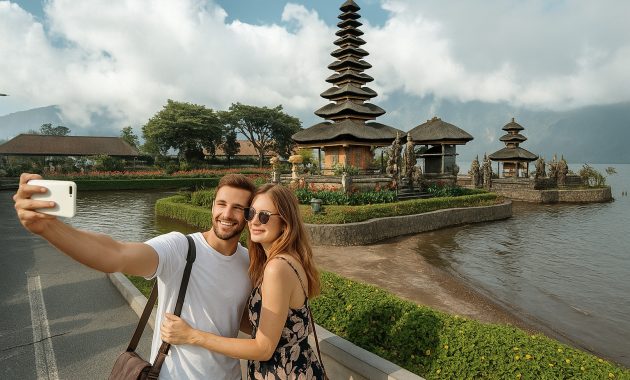
Planning a trip to Bali but not sure when to go? Choosing the best time to visit Bali can make all the difference to your travel experience. From sunny beach days and cultural festivals to lush green landscapes, Bali offers unique charms throughout the year. In this guide, we’ll cover Bali’s weather patterns, high and low seasons, and the island’s most exciting festivals, so you can decide when to book your dream vacation.
Bali Weather Overview
Bali has a tropical climate that remains warm and humid year-round, making it an attractive destination any time of the year. Average daytime temperatures range between 26°C and 30°C (79°F – 86°F), with cooler temperatures in the central mountains and higher humidity along the coast.
The island experiences two main seasons influenced by the monsoon winds:
Dry Season (April – October):
- Characterized by clear skies, sunshine, and lower humidity.
- Best time for outdoor activities like hiking, diving, temple visits, and beach trips.
- Nights can be cooler, especially in Ubud or near Mount Batur.
- Water visibility for diving and snorkeling is excellent, and waves on the west coast are ideal for surfing.
Rainy Season (November – March):
- Marked by short, heavy tropical downpours—usually in the afternoons or evenings.
- Mornings often remain clear, so activities can still be enjoyed with some planning.
- Rice terraces and waterfalls are at their most lush and photogenic.
- Ocean conditions can be rough, and boat services to the Nusa Islands or Gilis may be disrupted.
No matter the season, Bali has a consistent warm climate, so your travel timing will depend more on whether you prefer sunny adventures with crowds or lush scenery with quieter vibes.
Best Time to Visit Bali by Season
Dry Season (April – October)
- Ideal for: Beach trips, temple visits, hiking, and water sports.
- Highlights: Perfect surfing waves in Uluwatu and Canggu, trekking Mount Batur at sunrise, and exploring rice terraces without muddy trails.
- Downsides: More tourists, higher accommodation prices.
Rainy Season (November – March)
- Ideal for: Budget travel, photography (lush rice terraces and waterfalls), spa retreats, and cultural experiences.
- Highlights: Fewer tourists at major attractions, cheaper hotels, and green landscapes.
- Downsides: Rain showers can disrupt outdoor plans, rough seas may affect boat trips.
Bali’s Peak, Shoulder & Low Seasons
- Peak Season: July, August, late December – early January. Expect crowded beaches, busy temples, and higher prices.
- Shoulder Season: April, May, June, September. Arguably the best balance—good weather with fewer tourists.
- Low Season: November – March. Rainy but budget-friendly and more relaxed.
Festivals & Events in Bali
Bali is not only about beaches and nature—it’s also an island of deep spirituality and rich traditions. The Balinese Hindu calendar is filled with ceremonies and festivals, offering unique opportunities for travelers to witness local culture.
Here are some of the most notable festivals and events in Bali:
- Nyepi (March, date varies):
Known as the Day of Silence, Nyepi marks the Balinese New Year. For 24 hours, the entire island shuts down—no flights, no vehicles, and no outdoor activity. The night before, colorful parades of giant “Ogoh-Ogoh” statues fill the streets, making it a truly unforgettable cultural experience. - Galungan & Kuningan (every 210 days):
Celebrates the victory of good (dharma) over evil (adharma). Villages are decorated with tall bamboo poles called penjor, and families make offerings at temples. Kuningan follows 10 days after Galungan, marking the end of the celebration. - Bali Arts Festival (June – July):
A month-long festival in Denpasar featuring traditional dance, music, theater, and art exhibitions. It’s the best chance to see authentic Balinese performances in one place. - Bali Spirit Festival (April/May):
A gathering of yoga practitioners, healers, and musicians from around the world. Held in Ubud, it combines wellness, dance, spirituality, and community. - Sanur Village Festival (August):
A celebration of Balinese coastal culture with food bazaars, art shows, music, water sports competitions, and environmental awareness programs. - Tumpek Festivals (various dates):
A series of smaller ceremonies dedicated to honoring different aspects of life, such as animals, plants, and musical instruments.
Attending one of these festivals not only enhances your Bali trip but also gives you a deeper connection to the island’s spiritual and cultural heartbeat.
Month-by-Month Breakdown of Bali Travel
- January – February: Wet season, quiet beaches, low prices.
- March: Nyepi festival, unique cultural experience.
- April – June: Beginning of dry season, pleasant weather, fewer tourists.
- July – August: Peak season, great for festivals and beach clubs.
- September – October: Ideal weather, lower crowds—one of the best times to visit Bali.
- November – December: Start of rainy season, but December holidays are still busy.
Dry vs. Rainy Season in Bali: Quick Comparison
| Feature | ???? Dry Season (April – October) | ????️ Rainy Season (November – March) |
|---|---|---|
| Weather | Sunny, low humidity, cooler evenings | Hot, humid, with afternoon showers |
| Best For | Beaches, hiking, surfing, sightseeing | Budget travel, wellness, cultural trips |
| Crowds | High, especially July–August | Low, except during Christmas & New Year |
| Prices | Higher (hotels, flights, tours) | Lower, with plenty of deals |
| Surfing | West coast waves (Kuta, Uluwatu, Canggu) | East coast waves (Nusa Dua, Sanur) |
| Diving | Excellent visibility, calm seas | Slightly reduced visibility |
| Nature | Dry landscapes, easier trekking | Lush green rice terraces & waterfalls |
| Festivals | Bali Arts Festival (June–July), Galungan/Kuningan | Nyepi (March), Galungan/Kuningan |
FAQs: Best Time to Visit Bali
What is the best month to visit Bali?
September is often considered the best month—great weather, fewer tourists, and reasonable prices.
Is Bali worth visiting in the rainy season?
Yes, if you don’t mind short rain showers. It’s less crowded, cheaper, and beautifully green.
When is Bali most crowded?
July, August, and late December.
Can I surf in Bali year-round?
Yes. Dry season favors the west coast (Kuta, Uluwatu), rainy season favors the east coast (Nusa Dua, Sanur).
When is the cheapest time to visit Bali?
January to March (low season).
Does Bali have a winter season?
No, it’s tropical year-round with only dry and rainy seasons.
Is it safe to hike Mount Batur in rainy season?
It’s possible, but trails can be slippery—best during dry season.
When are Bali’s major festivals?
Nyepi (March), Galungan/Kuningan (twice yearly), Bali Arts Festival (June–July).
Is Christmas a good time to visit Bali?
Yes, but it’s busy and expensive—book early.
What’s the weather like in June in Bali?
Sunny, dry, and one of the best months to visit.
Can I still enjoy the Bali beach in rainy season?
Yes, but waves may be rough and skies cloudy.
When is the best time for diving in Bali?
April to November offers the best visibility and calm seas.
Final Verdict
So, when is the best time to visit Bali? It depends on what you’re looking for:
- For sunshine and adventure: April – October (dry season).
- For culture and quiet escapes: November – March (rainy season).
- For a perfect balance of weather and fewer crowds: April–June or September–October.
No matter when you visit, Bali’s charm never fades—you’ll always find beauty, culture, and unforgettable experiences waiting for you.